





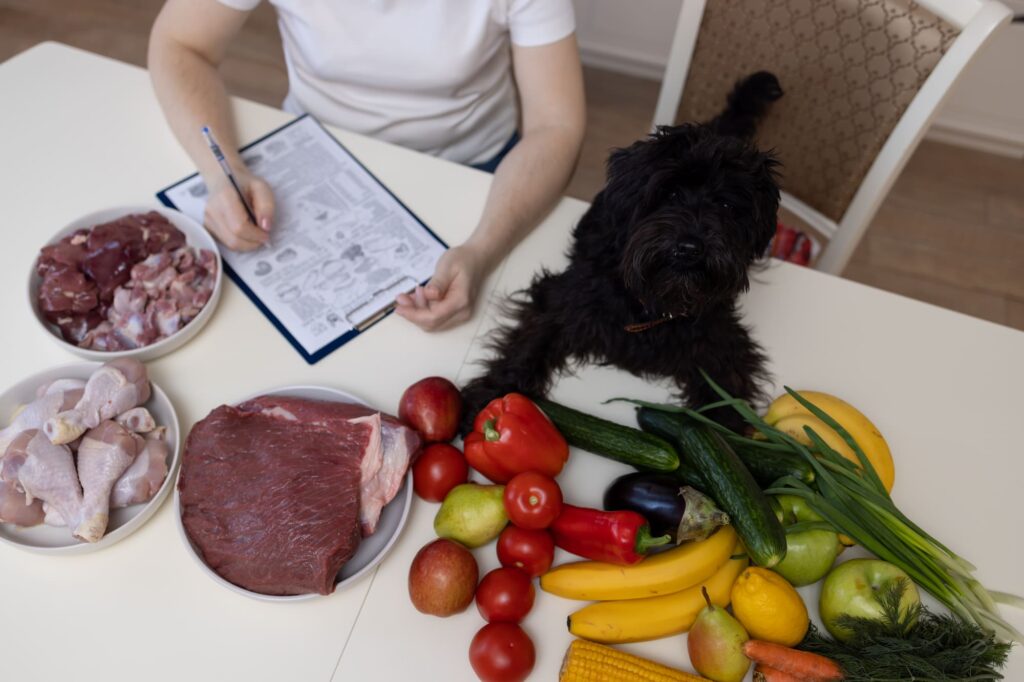
What your pet needs on its plate changes as it grows. A playful puppy, a busy adult cat and a slower-moving senior dog all have different energy levels, and their food should keep up. Here is a simple guide to feeding your dog or cat well at every stage of life.
Puppies and kittens: fuel for fast growth
Young animals grow quickly and burn a lot of energy. They need food made specifically for growth, with more protein, fat and calories than adult food. Small stomachs mean they do best with several small meals a day rather than one or two large ones.
- Choose a food labeled for growth or for all life stages.
- Feed 3–4 small meals a day, moving to 2 as they mature.
- Keep fresh water available at all times.
- Go easy on treats so they don’t crowd out balanced meals.
Adults: balance and routine
Once your pet is fully grown, usually around one year for most cats and dogs (later for large breeds), the goal shifts from growth to maintenance. The right portion depends on size, breed and activity level, so use the feeding guide on the package as a starting point and adjust based on your pet’s body condition.
- Stick to regular mealtimes, typically twice a day.
- Measure portions instead of free-feeding to prevent weight gain.
- Keep treats to around 10% of daily calories.
- Match food to lifestyle: an active dog needs more than a couch companion.
Seniors: gentle support for aging bodies
As pets age they often become less active and may gain weight more easily, while some lose appetite. Senior formulas are usually easier to digest and adjusted in calories. Softer food can help pets with dental issues, and smaller, more frequent meals can suit a slower digestion.
- Watch weight closely: both gain and loss are worth noting.
- Consider softer or senior-specific food if chewing becomes difficult.
- Encourage water intake; wet food can help.
- Schedule regular vet checkups to adjust diet as needs change.
Signs it’s time to adjust the diet
Your pet’s body tells you a lot. A dull coat, flaky skin, low energy, noticeable weight change or digestive upset can all be signs that the current diet isn’t the best fit. Good nutrition shows on the outside, too: a healthy diet helps support a soft, shiny coat and comfortable skin.
Healthy from the inside out
Nutrition and grooming work together. A balanced diet supports skin and coat health from within, while gentle, natural grooming products help keep them clean and comfortable from the outside. Before making major changes to your pet’s diet, especially for puppies, kittens, seniors or pets with health conditions, check in with your veterinarian for advice tailored to your companion.